What is another name for gravity die casting?
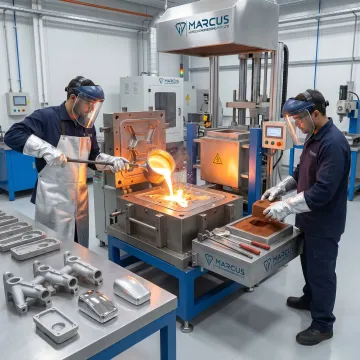
Another common name for gravity die casting is permanent mold casting. The term refers to the use of a reusable metal die, typically steel, that is filled by gravity rather than high injection pressure. It is widely used for repeat production of metal parts where consistent dimensions, good surface finish, and economical medium-volume manufacturing are important.
What is the difference between die casting and gravity casting?
The main difference is how molten metal enters the die. In gravity casting, metal flows into the reusable mold using gravity alone. In pressure die casting, metal is injected under high pressure for faster cycles and thinner-wall detail. Gravity die casting is often preferred for thicker sections, solid integrity, and cost-efficient medium-volume production with dependable repeatability.
What materials are commonly used in gravity die casting?
Gravity die casting is commonly used for non-ferrous alloys, especially aluminium and zinc depending on the part design and performance requirements. Material selection depends on strength, corrosion resistance, finish expectations, and downstream processes such as machining or plating. Marcus also supports related die casting and finishing capabilities that help match alloy choice to the final application.
What types of parts are best suited for gravity die casting?
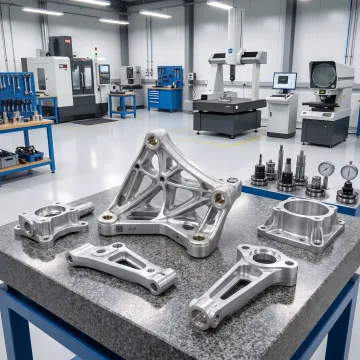
Gravity die casting is well suited for medium-volume components that benefit from thicker walls, repeatable geometry, and a smoother surface than many expendable mold processes. Typical applications include decorative hardware, architectural fittings, housings, brackets, and industrial components. It is especially useful when parts need secondary machining, premium finishing, or consistent production over repeated runs.
Can gravity die cast parts be machined and finished after casting?
Yes. Gravity die cast parts are often machined and finished after casting to achieve final tolerances, cosmetic standards, or functional coatings. Marcus supports in-house CNC machining, plating, anodising, powder coating, and other surface treatments. This integrated approach reduces handoffs between suppliers and helps customers receive parts closer to final assembly or end-use condition.
How does Marcus help with new gravity die casting projects?
Marcus supports new projects through in-house tooling and a structured development process that includes DFM review, simulation, prototyping support, T0 and T1 trials, and production validation. This helps identify manufacturability risks early, improve tool performance, and shorten the path to stable production. Customers also benefit from machining, finishing, and inspection support under one manufacturing partner.
What quality standards does Marcus follow for gravity die casting work?
Marcus operates under IATF 16949:2016 and ISO 9001 certified quality systems, supported by industry-standard processes such as APQP, PPAP, and FAIR where required. Quality control is reinforced through inline inspection, advanced metrology, and batch-level validation across related operations. This framework helps maintain consistency, traceability, and confidence for OEM and industrial manufacturing programs.
Does Marcus serve customers outside India for gravity die casting services?
Yes. Marcus serves customers across India as well as international markets including the United Kingdom, North America, Australia, Vietnam, Italy, Mexico, and the Middle East Asia region. Its global manufacturing footprint and partner network help support broader sourcing strategies while maintaining centralized quality oversight, making it suitable for customers managing regional or multi-country supply requirements.